Dubai’s real estate market has transformed dramatically over the past two decades. Once a regional hub, the city is now one of the most sought-after property destinations in the world, attracting investors and homebuyers from across Europe, Asia, and beyond. With modern infrastructure, tax-free living, and luxury developments, Dubai provides unique opportunities for those seeking lifestyle upgrades and wealth-building investments.
One of the most important considerations for anyone buying property in Dubai, however, is understanding the difference between freehold and leasehold ownership. These two models define not just how long you own the property, but also the rights, flexibility, and value attached to it. For buyers new to Dubai, this distinction can seem complex—but making the right choice is critical for securing both comfort and long-term financial returns.
What is Freehold Ownership?
In simple terms, freehold ownership means that you own the property outright, including the land it is built on. This type of ownership was historically restricted to Emiratis, but in 2002, Dubai opened select areas to foreign nationals, allowing them to purchase freehold properties.
Buying a freehold property gives the owner absolute rights over the home. You can sell it, lease it, or pass it down to your heirs without restrictions. Essentially, it’s yours indefinitely, much like owning property in most countries around the world.
Why Freehold Appeals to Investors and Homebuyers
The main benefit of freehold property is security and permanence. When you buy in a freehold community, you’re not just securing a home—you’re investing in a piece of Dubai itself. This makes freehold ideal for long-term investors who want stability and for families planning to build their lives in Dubai.
For instance, purchasing a freehold villa in a community like Arabian Ranches not only gives you a family home today but also provides an appreciating asset that can be resold or rented in the future. Similarly, a freehold apartment in Downtown Dubai allows you to be part of the city’s most vibrant hub, with complete flexibility to sell or lease as you wish.
Another advantage is inheritance and legacy planning. Freehold ownership allows you to pass the property on to your children or dependents, ensuring that the asset remains within the family for generations.
What is Leasehold Ownership?
Leasehold ownership works differently. Here, you buy the right to live in and use the property for a fixed period of time—commonly 30, 60, or 99 years. However, you don’t own the land beneath it. Once the lease term expires, ownership reverts to the freeholder, typically the developer or a government authority.
This does not mean leasehold properties are a poor choice. In fact, they can be highly attractive depending on your goals. Leasehold communities often sit in prime, well-established locations, and the cost of buying into them is usually lower than comparable freehold areas.
Why Leasehold Works for Many Expats
Dubai is a city with a highly mobile population. Many expatriates relocate for work opportunities, business, or temporary assignments. For such buyers, leasehold properties provide an affordable way to secure a home in Dubai without the long-term financial commitment of freehold.
Imagine an expat family who plans to live in Dubai for the next 10–15 years. Purchasing a leasehold apartment in a central district like Jumeirah or Dubai Silicon Oasis allows them to enjoy homeownership benefits while keeping costs under control. They don’t necessarily need a property that will remain in their family for generations—they want comfort, convenience, and affordability during their stay.
Leasehold agreements also sometimes place greater responsibility for major maintenance on the freeholder, which can reduce the financial burden for the leaseholder. This makes them appealing for those who want a “hands-off” ownership experience.

Comparing Freehold vs Leasehold: Rights and Responsibilities
The key distinction between the two lies in ownership rights and flexibility. Freehold gives you permanent ownership, while leasehold grants temporary but long-term use.
- With freehold, you can freely sell, lease, or renovate your property (within planning permissions). You also have more control over how you manage your asset.
- With leasehold, you typically need permission from the freeholder for significant alterations, and your ability to sell is tied to the remaining years on your lease. A property with 80 years left may sell easily, but one with just 20 years left may be harder to market.
This difference directly affects resale value and investment strategy. Freehold properties tend to appreciate more consistently, as they hold permanent value. Leasehold properties, while initially cheaper, may see slower appreciation as the lease shortens.
Benefits of Freehold Ownership Explained
Freehold is particularly popular among investors and long-term residents because it offers:
- Long-Term Security – Owning the property outright gives peace of mind and a sense of permanence, especially for families looking to settle in Dubai.
- Stronger Appreciation – Freehold properties, especially in prime areas, tend to appreciate more as they are not tied to time-limited contracts.
- Greater Flexibility – Owners can rent, sell, or renovate without needing additional approvals.
- Legacy Planning – Properties can be inherited and passed down, keeping wealth within the family.
For example, an investor who purchases a freehold apartment in Dubai Marina not only enjoys steady rental income but also benefits from long-term appreciation in one of the city’s most iconic communities.
Benefits of Leasehold Ownership Explained
Leasehold, though temporary, offers its own set of advantages:
- Affordability – Prices are generally lower than freehold, making leasehold more accessible to first-time buyers or expats on fixed assignments.
- Prime Locations – Many leasehold properties are located in well-established districts that might be unaffordable if they were freehold.
- Flexibility for Expats – Perfect for those who plan to stay in Dubai for a limited time and want to avoid long-term commitments.
- Shared Maintenance – Depending on the agreement, freeholders may cover major repairs, reducing costs for leaseholders.
For instance, a professional relocating to Dubai for 8–10 years may prefer a leasehold apartment in Jumeirah, where they can live in a prime district at a more reasonable price point compared to freehold options.
Which Option Should You Choose?
The decision between freehold and leasehold depends on your personal circumstances, goals, and financial strategy.
- If you see Dubai as your long-term home or investment hub, freehold is the natural choice. It ensures stability, long-term appreciation, and legacy planning.
- If you are in Dubai for a medium-term stay or want to maximize affordability while living in a prime area, leasehold can make excellent sense.
It’s also worth noting that Dubai’s legal framework for both types of ownership is well-regulated, ensuring that buyers are protected under the law regardless of which option they choose.
Examples of Popular Freehold Communities
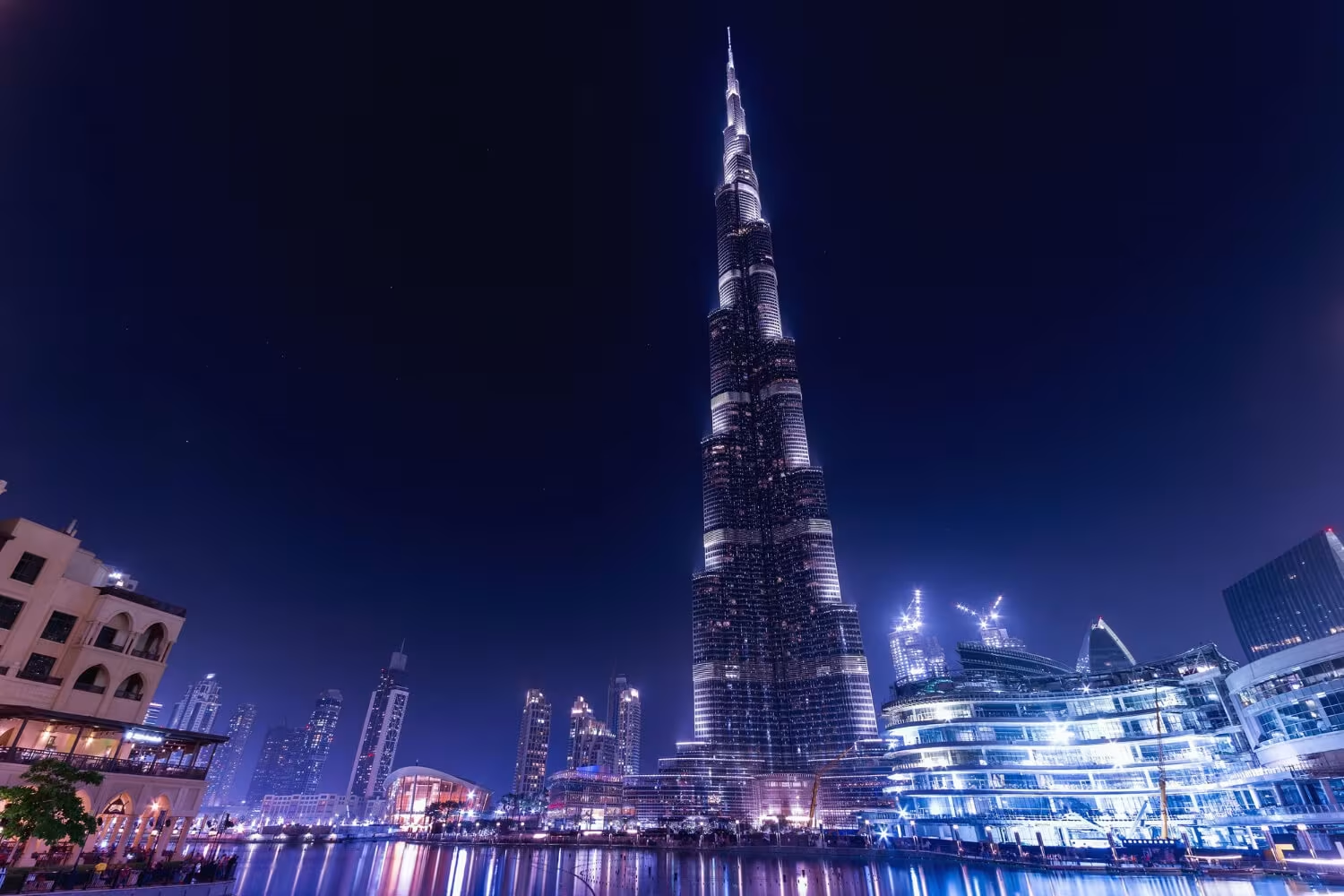
- Downtown Dubai: Home to Burj Khalifa and Dubai Mall, ideal for luxury city living.
- Palm Jumeirah: Exclusive villas and apartments offering unmatched prestige and views.
- Dubai Marina: High-rise apartments with strong rental demand.
- Arabian Ranches: Spacious villas in a family-friendly environment.
Examples of Popular Leasehold Communities
- Jumeirah: Traditional and central, offering a blend of culture and modern living.
- Dubai Silicon Oasis: Affordable housing popular with families and young professionals.
- Green Community: Known for open spaces, parks, and relaxed suburban feel.
Conclusion
The choice between freehold and leasehold property ownership in Dubai is ultimately about aligning your decision with your goals. Freehold delivers security, flexibility, and long-term value, making it ideal for permanent residents and serious investors. Leasehold, on the other hand, offers affordability and access to prime locations, making it a practical solution for expats and medium-term buyers.
Both models have their advantages, and both contribute to the richness and diversity of Dubai’s real estate market. By understanding the benefits of each, you can make a confident decision that supports both your lifestyle and financial future.
At De Vos Real Estate, we help buyers and investors navigate these choices with clarity, ensuring that every property purchase in Dubai is not just a transaction—but a step toward building lasting value.